Shops and outbuildings
A shop floor takes rolling tools, parked equipment and dropped parts, so we size the thickness and the base for the load you describe instead of guessing on pour day.
Old floor cracked and uneven, or a new room that needs one? We pour, finish and cure a slab built for the flooring you plan.
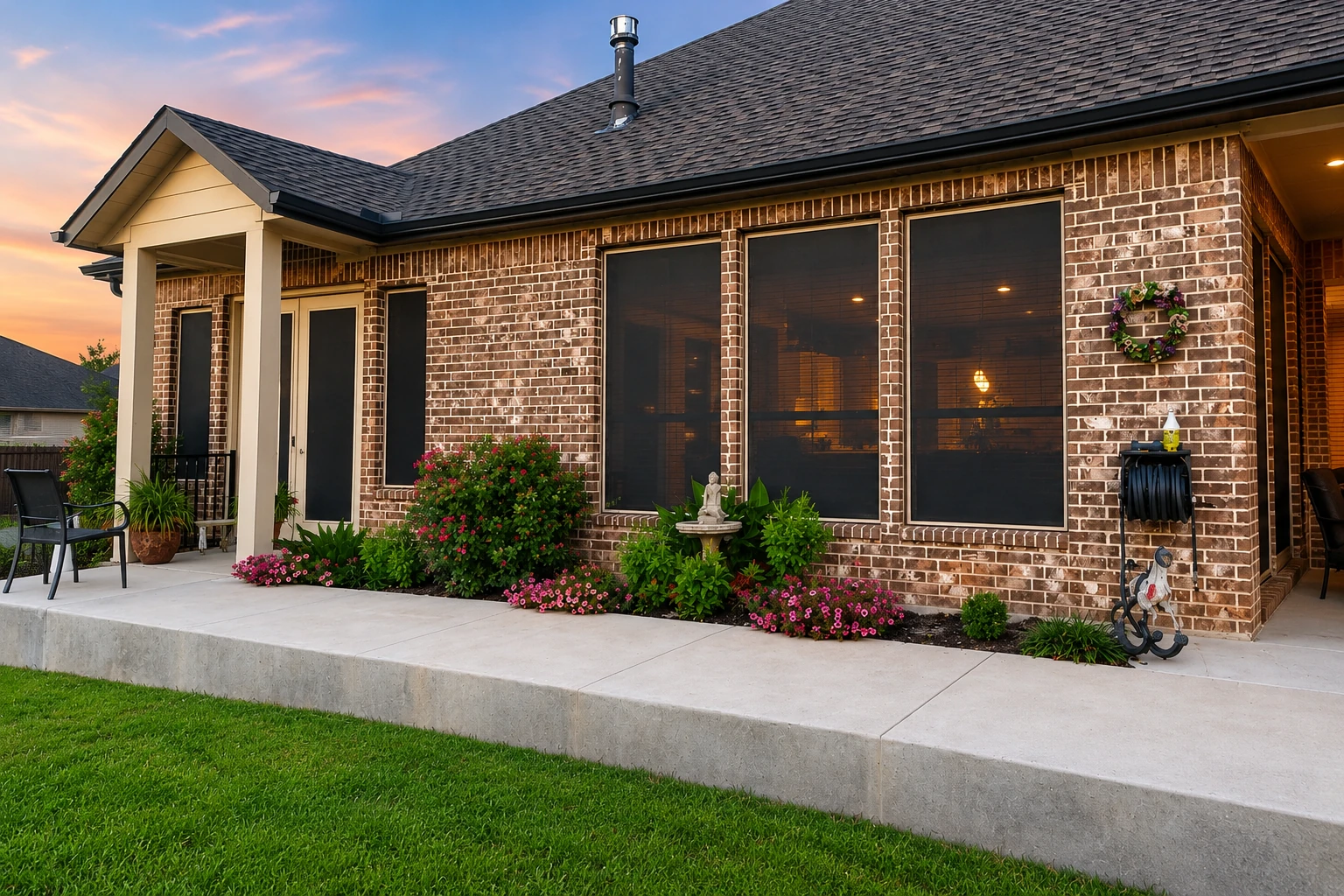
Concrete floor installation in Hermiston means our crew places and finishes a new floor slab and then cures it, because a good cure is what lets the floor reach the strength and wear it's capable of.
Most people call because they've got a space that needs a floor, like a new shop or addition, or an old slab that's cracked and uneven and has to go. The price moves with the floor's size and thickness, how much has to be broken out or dug out first, the base underneath and what flooring goes on top. The schedule turns on the season you want to pour in and on the cure, since the floor isn't done the day the crew packs up. I walk the job, measure it and write up what it needs, so you get your own figure instead of a guess. We're based in Hermiston and pour floors in Umatilla, Pendleton, Kennewick and other cities around the area.
I come out, measure the space and write the estimate, then I'm on site while my crew pours it, the same way I've worked since starting the business in 2017.
If your floor doesn't need something, I'll say so instead of adding it to the estimate, because that money does more good in the base and the cure you'll live with.
Oregon generally requires anyone paid for construction work, concrete included, to be licensed, and we're licensed and insured for the work we do on your property.
Our crew starts underneath, digging out to firm ground and packing the subgrade, the dirt and gravel the slab sits on, because a base that's only raked level settles and takes the floor down with it. Rebar goes in where the floor calls for it, steel inside the slab that holds the pieces together if it cracks. We place and finish the concrete, and on hot days I'd rather start early than finish into midday heat, which tends to leave a weak, dusty top. Control joints, shallow cuts that give the slab a straight place to crack, go in on time instead of late. Then the curing starts, keeping the new floor from drying out too fast while it hardens, and since a lot of what makes a floor last happens after it looks finished, we plan the cure from the start and keep it going. Tell me what flooring goes on top and we'll plan the slab and the cure around it.
When a budget gets tight, the base is usually the first thing people want to trim, and I'd rather trim the finish, because the base is hidden on day one and decides how the floor holds up for years. That same prep and cure goes into the concrete pool decks we pour outside, and if your new floor ends up above grade at a doorway, we can build concrete steps to reach it.
A shop floor takes rolling tools, parked equipment and dropped parts, so we size the thickness and the base for the load you describe instead of guessing on pour day.
When a slab becomes living space with flooring on it, what goes under the concrete matters as much as the top, so we settle the moisture question with you before the pour.
An old floor that's cracked and sunk usually failed underneath, so we break it out and fix the base it sat on rather than pouring new concrete over the same problem.
A garage floor carries the weight of cars and whatever drips off them, so we put the effort into thickness and a packed base before we worry about how the surface looks.
Send the form and we'll get back to you within one business day to set a time. I come out, walk the space, measure it and write up what it needs, free and with no pressure to book.
A length and width, even paced off, give me a starting point for the base, the thickness and how much concrete it takes before I come out to measure.
Knowing whether it's tile, vinyl, wood, carpet or bare concrete lets me write the estimate for the slab and the cure your floor really needs.
Hot and cold weather each change how the pour and the cure get planned, so the season you have in mind helps me set a realistic date with you.
These photos show slab finishes, joint layouts and shapes to look at together when we talk through your floor and what goes on it.
Here are straight answers to what people ask most before a new floor goes in, from cracking and cold weather to permits.
Yes, some cracking and curling, where the edges lift a little, are normal on every project. Slab guidance says they don't by themselves mean the floor was designed or built badly. The control joints we cut give most of that cracking a straight line to follow, so it lands where we chose instead of across the room.
Yes, with a plan that keeps the new concrete from freezing. Fresh concrete will freeze if its temperature drops below about 25°F, and that can cost it more than half its potential strength. If you want a cold-season pour, tell me when I come out, and we'll work out how to protect it before we set a date.
In hot weather, curing keeps going for at least 3 days, so the schedule needs room for it. Skipping the cure or doing it poorly can cost a floor up to half its potential strength and cut its durability. It can be done with wet burlap and plastic, a liquid curing compound or water, and you can ask me which one we're planning.
It's worth asking about one if flooring or living space goes over the slab. One maker's guide says a properly installed vapor retarder, a barrier laid under the concrete, reduces moisture problems for floor coverings and mold. If the flooring gets glued down, tell me, because curing compounds don't work with flooring adhesives and the maker should be checked before one goes on.
The city wants a blowing dust control plan before any home or commercial construction begins, naming someone it can reach around the clock about dust. Its permit list names remodels, additions and new garages, carports or patio covers over 200 square feet, not concrete floors, so on anything unclear we check with the city's Building Department first and handle the paperwork our part needs.
Call (458) 219-6758 or send the form, and I'll see the space and tell you what the floor needs before you set a date.